
Dr. R. Ghods on the Outcomes of the Delhi 2025 Summit
Commitment of Iran to Health Transformation through Traditional Medicine
The Second World Health Organization (WHO) Global Summit on Traditional Medicine took place in New Delhi from December 17 to 19, 2025. Jointly organized by the WHO and the Government of India under the theme “Restoring the Balance: Science and Practice of Health and Well-being,” this summit gathered ministers, country representatives, policymakers, researchers, innovators, practitioners of traditional medicine, indigenous peoples, and civil society representatives from over 100 countries, marking it as one of the most significant international health events in recent years.
According to the Public Relations Department of the School of Iranian Medicine at the Iran University of Medical Sciences, the event attracted approximately 800 in-person attendees, more than 20,000 online participants, and over 3,000 guests at the opening and closing ceremonies. A pivotal outcome of the summit was the approval and initiation of the "Global Strategy for Traditional Medicine 2025-2034."
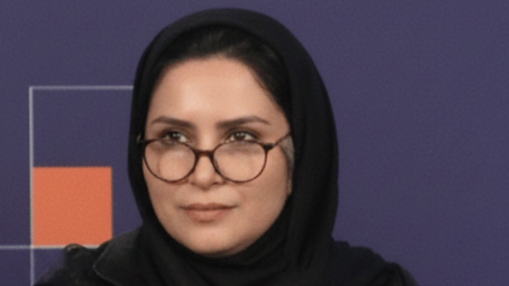
Dr. Roshanak Ghods, an associate professor at the Iran University of Medical Sciences (IUMS) and a technical and strategic expert invited to the summit, highlighted the significance of the final statement known as the "Delhi Declaration 2025." He noted that the summit transcended mere dialogue, focusing instead on "practical action and executive commitment." At the closing ceremony, 26 member states of the WHO, including the Islamic Republic of Iran, officially declared their SMART (Specific, Measurable, Achievable, Relevant, Time-bound) commitments to enhance traditional medicine by 2034.
Dr. Ghods elaborated on Iran's five strategic commitments outlined in the declaration aimed at developing and integrating Iranian medicine into the health system:
- Establishing a WHO Collaborating Center to further the scientific and international objectives of traditional medicine.
- Launching a National Clinical Trials Platform to document, monitor, and enhance the quality of clinical research on Iranian medicine.
- Generating Credible Scientific Evidence by bolstering research efforts and publishing findings in reputable international journals.
- Developing Standard Operating Procedures (SOPs), including five specific protocols related to Iranian medicine.
- Accelerating the Safe and Evidence-Based Integration of Iranian medicine into the Primary Health Care (PHC) system.
During the closing ceremony, Dr. Tedros Adhanom Ghebreyesus, Director-General of the WHO, underscored the importance of traditional medicine in addressing emerging health challenges, such as non-communicable diseases and disparities in access to health services, viewing it as an essential component of future health systems. Indian Prime Minister Narendra Modi also characterized the summit as a milestone in global digital health, officially inaugurating the Traditional Medicine Global Library (TMGL), which houses 1.6 million scientific resources.
Dr. Roshanak Ghods's active and influential participation in the specialized panels and strategic meetings at the summit underscores the scientific prominence of the Iran University of Medical Sciences on the international stage and its commitment to converting indigenous knowledge of Iranian medicine into globally recognized evidence while fulfilling international health commitments.

comment